

What is Attention Deficit Disorder?
Anhedonia can be defined as a lack of sexual arousal or a temporary condition, and it can significantly affect women’s sexual function. This problem is often intertwined with sexual desirelessness and is a condition that lowers women’s quality of sexual life. Anhedonia is different from sexual desirelessness; in this case, although the individual has the desire to engage in sexual intercourse, they have difficulty providing physical stimulation.
The causes of sexual arousal disorder can vary. Hormonal changes, especially during menopause, can affect women’s hormonal balance, which can pave the way for arousal problems. Additionally, psychological factors such as stress, anxiety, and depression can also cause sexual desirelessness and difficulty in arousal. On the other hand, some medical conditions, medications used, or consequences that develop after surgery can also trigger sexual arousal disorder.
Symptoms of arousal disorder include a lack of adequate physiological response during or before sexual intercourse, discomfort and dissatisfaction felt when sexual stimulation is not achieved. When this feeling persists for a long time, it can lead to serious changes in a person's sexual life and overall psychological state. Therefore, arousal disorder goes beyond being merely a physical problem and affects women's overall health status.
The Relationship between Female Sexual Health and Dysphoria
Women’s sexual health is a broad concept encompassing physical, emotional, and social aspects. A disruption in this health can directly impact women’s quality of life. Dyspareunia is a common condition that negatively affects women’s sexual health. Women experiencing dyspareunia may experience issues such as sexual desirelessness, discomfort during sexual intercourse, and overall sexual dissatisfaction.
Anhedonia often occurs during the menopause and is associated with hormonal changes. Menopausal anhedonia is a factor that lowers the quality of sexual life for many women who experience this process. In particular, the decrease in estrogen levels can cause difficulties in sexual arousal. This situation indirectly leads to women feeling a lack of sexual desire and experiencing problems in their relationships.
Shock wave therapy methods such as Lilycare have been developed to help alleviate these problems. Offering a safe and effective solution for women, these treatments play an important role in alleviating the symptoms caused by arousal disorders. By increasing blood flow, these treatments support sexual arousal, thereby helping to overcome sexual reluctance.
As a result, there is a strong relationship between female sexual health and arousal disorder. Arousal disorder profoundly affects women's sexual lives. Proper treatment methods are essential to cope with these problems, and modern approaches like Lilycare can improve women's quality of life by improving sexual health.
Shock Wave Therapy: General Information
Shock wave therapy is an increasingly preferred method for treating sexual dysfunction, especially problems such as arousal disorders and sexual desirelessness in women. This treatment involves the application of low-intensity shock waves. Low-intensity shock waves offer a non-invasive approach used to repair tissues and increase blood flow.
The application process is usually initiated by a healthcare professional. Treatment sessions typically last 15-30 minutes and the patient is not expected to feel any discomfort. After the sessions, patients can usually return to their normal activities. Although different techniques and devices are used depending on the area of application, the treatment generally targets damaged tissues and encourages their regeneration and healing.
The positive effects of shock wave therapy on female sexual health have been observed in scientific studies. Effective results have been achieved for problems such as arousal issues and sexual desire experienced by women during the menopause period. In addition, the treatment helps individuals experience a positive experience with their sexuality by providing greater satisfaction during sexual relationships.
Alongside these, treatment providers such as Lilycare allow for the process to be personalized by creating customized treatment plans for patients. This way, the most appropriate method is determined based on the individual’s needs. Therefore, shock wave therapy stands out as an option that supports female sexual health and can help overcome various issues, including arousal disorders.
Lilycare: What is the Shock Wave Approach?
Lilycare offers an innovative treatment method in the field of women’s sexual health. This method aims to improve the quality of life of women by targeting issues such as arousal disorders and sexual desire. Lilycare’s shock wave therapy is performed using low-frequency sound waves. These waves help increase blood flow to the sexual organs, promoting tissue regeneration and repair.
Shock wave therapy offers an effective solution to the arousal problems commonly seen in postmenopausal women. Compared to traditional treatment methods, this approach has many advantages. First of all, the treatment process is non-invasive and does not require any surgical intervention. Additionally, the procedures usually take between 15 and 30 minutes, and patients can immediately return to their daily activities.
Another important advantage of the shock wave therapy offered by Lilycare is the absence of a significant side effect profile. This makes this method more appealing to women seeking alternative treatment options for their sexual health. After the sessions, most patients report significant improvements in their sexual desire and other symptoms of postmenopausal arousal disorder. Therefore, Lilycare’s shock wave approach has the potential to make a lasting contribution to women’s sexual health.
Mechanism of Action of Shock Wave Therapy
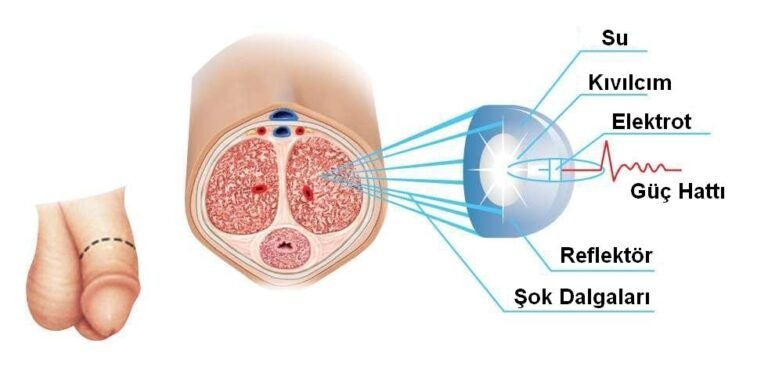
Shock wave therapy has emerged as a highly effective method in the treatment of issues such as arousal disorders and sexual dysfunction in women in particular. This method involves applying high-energy acoustic waves to specific areas of the body. The waves applied cause micro-level trauma in the tissues, triggering healing processes within the body. Through this mechanism, blood flow increases, cellular repair processes are accelerated, and the formation of new blood vessels is supported.
Specifically, during the application of shock waves, the targeted tissues are subjected to mechanical vibrations. These mechanical effects stimulate the biological responses in the cells, resulting in an increase in their number and improved functionality. The menopause syndrome, which is commonly seen in women after menopause, can be significantly improved with these types of treatments. Modern systems such as Lilycare enhance the effectiveness of the treatment process and optimize the user experience.
Another important effect of shock wave therapy is the re-activation of nerve endings. This process has a positive effect on sexual desire and arousal. Furthermore, the growth factors released during the treatment stimulate tissue healing and regeneration. Therefore, it plays a critical role in women’s sexual health. This method, while activating the body’s natural healing mechanisms, is also preferred because it does not require surgical intervention and has minimal side effects.
Application Process: Who is Shock Wave Therapy for?
Shock wave therapy has emerged as an effective method in the field of female sexual health, particularly in the treatment of disorders such as sexual desirelessness and menopause arousal problems. This treatment method offers an ideal option for women experiencing sexual arousal disorders. The application process is tailored to the individual needs of the patient.
Doctors can refer women experiencing sexual desire and arousal disorders to shock wave therapy. This treatment is also recommended for women during the menopause period, where hormonal changes are often experienced. It offers a solution that menopausal arousal sufferers can use to improve their quality of sexual life.
In addition, shock wave therapy can also be beneficial for women who experience pain or discomfort during sexual intercourse. During the application, low-frequency shock waves are directed to the targeted areas, aiming to increase blood flow and activate the tissue repair mechanisms. This can lead to both physical and psychological benefits.
However, this treatment method may not be recommended for individuals with certain health conditions who are receiving medication treatment. It is important to assess each individual patient. While shock wave therapy offers an important alternative for women experiencing arousal disorders and sexual desire issues, it should always be performed with the advice of a specialist physician so that the most effective results can be achieved.
Side Effects and Risks of Shock Wave Therapy
Shock wave therapy stands out as an innovative method used to treat common sexual health issues such as arousal disorders and sexual desire in women. However, like any medical procedure, this treatment also has potential side effects and risks. It is of great importance for patients to carefully consider these issues before embarking on the treatment process.
The side effects of shock wave therapy are usually mild and temporary. The most common reported side effects include mild pain or discomfort at the application site, redness, and swelling. However, these symptoms often subside within a short time after the treatment ends. However, in some patients, more rare conditions may occur after treatment, including complications. Therefore, patients should undergo a careful evaluation process during treatment planning.
Among the risks are the risk of weakening or bleeding in the blood vessels in the area where the shock waves are applied. Furthermore, some cases may occur in which the recovery process after treatment may take longer than expected. Before undergoing treatment for menopause-related arousal problems, it is important for patients to assess their current health conditions and potential risks.
As a result, while shock wave therapy has the potential to improve sexual health in women, potential side effects and risks must be considered. A comprehensive evaluation and a detailed discussion with the doctor before treatment will help patients maximize the benefits they will receive from this treatment.
Success Rates and Results
Anhedonia is an important sexual health problem that affects women's quality of life. This problem, which can occur in conjunction with sexual desirelessness and the menopausal process in women, can negatively impact individuals' psychological and social lives if it is not treated. In recent years, lilycare The system is applied shock wave therapy With this approach, effective results have been achieved in solving these problems. Research shows that the success rates of this treatment method are quite high.
According to the clinical studies conducted, shock wave therapy uygulanan kadınların %70’inde, tedavi sonrası uyarılma bozukluğu belirtilerinde önemli bir iyileşme gözlemlenmiştir. Hastalar, cinsel isteksizlik sorunlarında belirgin bir azalma yaşarken, cinsel ilişki sırasındaki duyumsallarının da arttığını bildirmişlerdir. Bu tür geri dönüşler, tedavinin psikolojik ve fiziksel açıdan sağladığı faydaları da ortaya koymaktadır.
In addition, significant improvements in patients' quality of life were observed at the end of the treatment processes. Menopause arousal problem In women who are undergoing treatment, there is evidence that the level of sexual satisfaction increases after treatment. This has positive effects on the overall mood and self-esteem of the patients. The results of treatment practices help establish a healthier balance both in personal and social life.
As a result, shock wave therapy, disorder of arousal It has emerged as a successful method of treatment and plays an important role in improving women's sexual health.
Conclusion: New Hope for Anorgasmia and Female Sexual Health
Anxiety disorder has emerged as the underlying cause of various problems such as sexual reluctance and sexual dissatisfaction among women. This condition can profoundly affect not only the individual’s sexual life but also their overall health. The menopause period can lead to these problems becoming even more pronounced in women. However, research conducted in recent years and innovative treatment methods hold the potential to bring about positive changes in the lives of these women.
Shock wave therapy offered by Lilycare, by introducing a new approach to arousal disorder, is helping women rebuild their sexual health. This treatment method aims to increase blood flow in the sexual organs and stimulate the re-stimulation of nerves. This process can help women overcome sexual dysfunction by enhancing their sexual function. In fact, this innovative treatment method has the potential to offer an effective solution to arousal problems associated with menopause.
As we look to the future, more research and innovation are necessary in the field of arousal disorder. In addition to the potential of shock wave therapy, other methods in this field are also expected to contribute to women’s sexual health. It is of great importance for healthcare professionals to become aware of and receive training in these areas in order for the treatment methods implemented to reach more women. Hearing the thoughts and experiences of women on this topic will be an important step in the treatment of arousal disorder. In conclusion, lilycare’s shock wave therapy will take its place in the future as a promising solution for women’s sexual health.

 Türkçe
 English (UK)
 Deutsch
 Русский
 العربية
 Français
 Italiano