

Definition of Erectile Dysfunction
Erection problems are a condition among sexual dysfunction disorders in men, and are generally associated with difficulties in achieving or maintaining an erection. This condition can negatively impact individuals' sexual lives, reduce sexual satisfaction, and lead to problems in relationships. Erection problems can often be caused by psychological or vascular factors. Psychological factors include emotional conditions such as stress, anxiety, or low self-esteem, while vascular problems are often associated with physiological disorders that affect blood flow.
Sexual health also has a significant impact on the overall health of individuals. The problem of erectile dysfunction is not only a physical disorder but also considered a psychological issue. This condition, which is often experienced among men, can create feelings of shame and secrecy in many individuals, preventing them from speaking about the subject. The widespread perceptions of erectile dysfunction in society are that it is only associated with older individuals. However, this condition can also be seen frequently in individuals in the younger age group, and there may be different psychological or physical reasons behind it.
The stress caused by the problem of erectile dysfunction, the fear and anxiety regarding sexual performance, can make this situation even worse in some men. Therefore, increasing awareness in this area can help the process of noticing and treating the problem progress in a healthier way. Erectile dysfunction as a sexual dysfunction is a serious issue for male health and, if left untreated, it can reduce the quality of life of individuals.
Psychological Causes of Erectile Dysfunction
The problem of erectile dysfunction affects many men and psychological factors play an important role. Emotional conditions such as stress, anxiety, and depression can negatively affect sexual function. In particular, the pressures and anxieties brought by daily life are among the important factors affecting sexual performance. The increase in stress hormones can make blood flow in the body more difficult, thereby making it harder to achieve an erection.
Relationship problems are also a common occurrence among the psychological causes of the rigidity problem. Communication problems with a partner, feelings such as lack of sexual attraction or jealousy, can create difficulties in a man's sexual function. Over time, this can negatively affect self-esteem, creating a vicious cycle. These obstacles can undermine a person's self-confidence and further impair their sexual performance.
Furthermore, socio-cultural factors are among the circumstances that lead to the problem of rigidity. The norms and expectations created in society regarding the sexual fulfillment of men can be considered factors that cause anxiety in individuals’ sexual lives. In this context, cultural pressures can cause the individual to feel inadequate, and this situation can lead to an increase in the problems experienced.
Ultimately, the psychological causes of erectile dysfunction present a complex structure and are directly related to an individual’s psychological health. Seeking professional help to identify the source of the problem is one of the most important steps to take in this regard.
Circulatory Causes and the Problem of Hardening
The problem of erectile dysfunction is an important health issue that negatively affects individuals' sexual function. This problem can be caused by both psychological and physiological factors. Vascular causes are one of the most common physiological causes of erectile dysfunction, and various vascular health problems, such as factors affecting blood flow, can influence this condition. In particular, cardiovascular diseases are among the underlying causes frequently observed in cases of erectile dysfunction.
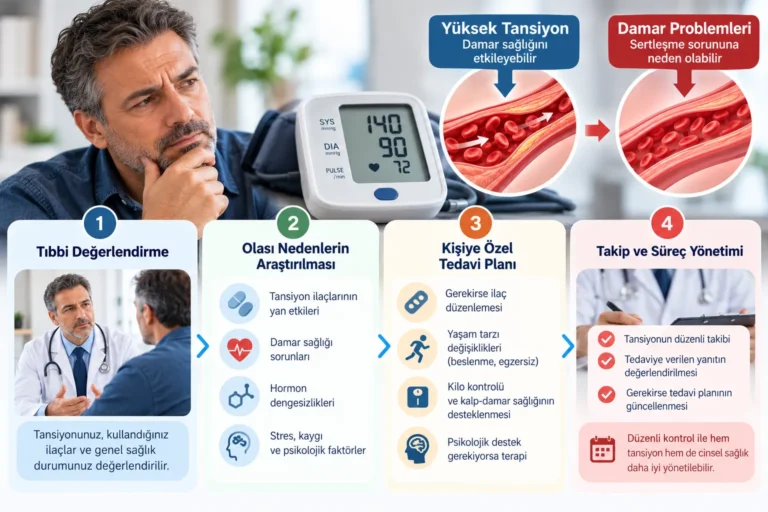
Vascular health has a very significant impact on sexual function. A lack of adequate blood flow to the penis can lead to erectile dysfunction. For example, atherosclerosis, or hardening of the arteries, causes the arteries to narrow and reduce blood flow, which can negatively affect the blood flow required for an erection. Additionally, chronic diseases such as high blood pressure, high cholesterol, and diabetes can also impair vascular health, indirectly affecting sexual function.
Hormonal balance also plays an important role in erectile dysfunction. The decrease in levels of sexual hormones such as testosterone can lead to sexual desirelessness and difficulty achieving an erection. Therefore, it can be said that hormonal balance is also an important area that needs to be monitored. Especially as age progresses, the more frequent occurrence of such hormonal changes becomes another important issue that the veterinarian will consult on.
As a result, the vascular causes of the erectile dysfunction are closely related to the individual’s overall health status. Vascular health, including disruptions in blood flow and hormonal balance, can negatively affect an individual’s sexual life. Therefore, seeking help from a qualified healthcare professional when necessary is an important step.
Symptoms: Awareness of the Problem of Erectile Dysfunction
The problem of erectile dysfunction can be described as the inability or inability to achieve sufficient firmness during sexual intercourse in men. While this condition is a condition that most men experience at least once in their lives, when it becomes persistent, it becomes a problem that must be taken seriously. Erectile difficulties can occur intermittently over a period of time, which makes the situation more difficult.
To better understand the problem of erectile dysfunction, it is necessary to first look at its symptoms. Some important symptoms that men should be aware of include being unable to achieve an erection during sexual intercourse, being unable to maintain an erection, and a decrease in sexual desire. While the presence of these symptoms makes it difficult to accept the situation, if not treated in time, they can lead to further deepening of psychological and physical problems.
The frequency of erectile difficulties is a critical factor for assessing the situation. If these symptoms become persistent, they can have negative effects on a person’s sexual health. Timely intervention opens up ways to receive both physical and psychological support. The factors underlying erectile problems can often stem from psychological or vascular causes. Therefore, careful observation of the symptoms and seeking professional medical advice when necessary are important for success.
Diagnostic Methods: Which Tests Are Applied?
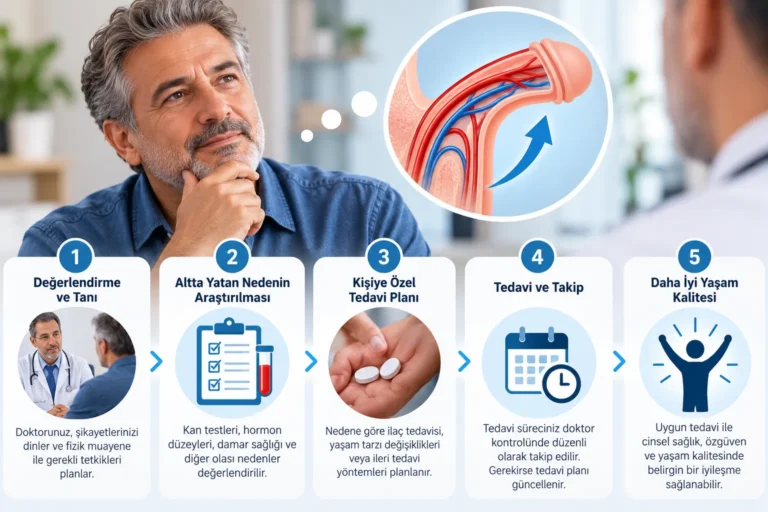
The diagnosis of the erectile dysfunction problem is crucial for identifying the physical and psychological factors that may contribute to this condition. The diagnostic process usually consists of a series of stages, and different tests and evaluation methods are used at each stage.
As the first step, the physical examination process performed by the physician is initiated. During this stage, factors such as the patient's overall health status, cardiovascular health, and hormone levels are examined. During the physical examination, the physician may recommend additional tests to identify vascular or hormonal problems that could lead to erectile dysfunction. Additionally, potential problems can be detected through a genital examination.
However, laboratory tests also play a critical role. Blood tests are used to assess factors such as blood sugar levels, cholesterol levels, and hormone levels. In particular, testosterone levels are an important factor in determining erectile problems in men. These tests allow for the evaluation of both vascular and hormonal factors.
In many cases, psychological factors can also be influential. In these cases, the physician can conduct psychological evaluations. Through management information and questionnaires, it is possible to determine whether psychological factors such as stress, anxiety, or depression are present. These evaluations are important for identifying the psychological causes that trigger the erectile dysfunction problem.
As a result, diagnostic methods for the erectile dysfunction problem are applied in an integrated manner to separate the physical and psychological factors. By determining the appropriate approach for each patient, an effective treatment process can be planned.
Treatment Options: Psychological and Physical Approaches
The treatment of the erectile dysfunction problem varies depending on the root cause of the problem experienced by the individual. Treatment methods can be divided into two main categories: psychological and physical approaches. Psychological treatment typically focuses on mental health issues such as anxiety, stress, or depression associated with sexual dysfunction. In this case, referring individuals to psychotherapy is of great importance in terms of restoring their sexual function. By positively changing individuals’ emotional states and perceptions about sexuality, it can help reduce loss of self-confidence.
On the other hand, physical approaches are applied in cases where the problem of hardening may be caused by vascular or hormonal reasons. Medication treatment can be an effective option for such cases. These medications, known as PDE5 inhibitors, increase blood flow and ensure hardening in the penis. Additionally, alternative treatment methods such as hormone therapy and vacuum devices are also used. Specifically, these treatment methods are suitable for cases determined by a reputable healthcare professional.
Lifestyle changes should also be considered during the treatment process. Regular exercise, healthy eating, and reducing smoking and alcohol consumption can play a critical role in managing erectile dysfunction. These lifestyle changes that support recovery also improve overall health. Treatment options implemented to manage the erectile dysfunction can be used in a complementary manner and can lead to positive effects on individuals.
Strategies to Deal with the Hardening Problem
The problem of erectile dysfunction can create great psychological pressure on individuals. To overcome this situation, it is important for individuals to develop effective coping strategies. First and foremost, establishing open communication is extremely beneficial for individuals experiencing this problem. Sharing their feelings with their spouses or partners can reduce anxiety levels and enhance a sense of trust. Through communication, it is possible to find support both emotionally and physically.
Another important strategy is joining support groups. Individuals experiencing the problem of erectile dysfunction can come together with people who have similar experiences to share their feelings and thoughts. Such groups can help individuals change their perspectives on their situations by sharing personal experiences and receiving advice from others. Support groups can help reduce social isolation and help individuals feel better.
Additionally, the role of therapeutic methods should not be ignored either. Individual or couples therapy can be an effective way to confront the emotional and psychological reasons underlying the problem of erectile dysfunction. By helping individuals understand certain thought and behavioral patterns, a therapist enables them to develop the skills to cope with this problem. Sometimes, approaches such as cognitive behavioral therapy can be used to replace negative thoughts with positive ones.
Consequently, these strategies should be considered as a whole that must be used together to address the problem of erectile dysfunction. Communication, social support, and professional help are important elements for overcoming the problem.
The Problem of Society and Hardening: Taboos and Facts
While the problem of erectile dysfunction is a highly sensitive topic for many individuals, it also carries the stigma of being a social taboo. Many men may experience feelings of shame, anxiety, and social isolation when faced with this condition. It is known that such emotional reactions prevent individuals from openly discussing this issue and therefore delay seeking professional help. The lack of information about the prevalence of this problem within society leads to misunderstandings on the one hand, while on the other hand it deepens the problem of erectile dysfunction experienced by individuals.
In particular, talking about the problem of erectile dysfunction has become a taboo topic among the public. While men hesitate to share this topic, misinformation about sexuality and sexual dysfunction can often occur. Social norms and expectations cause men to fear being perceived as emotionally weak, which creates a stigma against the problem of erectile dysfunction. However, this condition is quite common and can be caused by many factors. Educating individuals about this issue and developing a healthier view of sexuality is extremely important for both their psychological well-being and the treatment process.
The importance of early intervention plays a critical role in addressing the problem of erectile dysfunction. When individuals understand and accept their problems, they are more likely to seek out a healthcare professional when necessary. Since psychological factors can combine with vascular problems, professional support is necessary to correctly identify the source of the problem. Correcting the public’s misconceptions about this issue will pave the way for individuals to lead healthier sexual lives by evaluating the seventeen types of treatment options and expert assistance.
Conclusion and Recommendations
The problem of erectile dysfunction is a condition that significantly affects the quality of life for many men. This problem, which can arise for both psychological and vascular reasons, can negatively affect not only sexual function but also individuals' emotional and social life. Therefore, understanding the root cause of the problem correctly and creating an appropriate treatment plan is critical for dealing with the erectile dysfunction.
Patients must accept that this challenging situation they are experiencing is not just a physical disorder; it is often influenced by psychological factors as well. In this context, adopting a proactive approach is extremely beneficial. First of all, individuals are advised to contact healthcare professionals with whom they feel comfortable about this matter. Establishing a healthy dialogue with the professionals is essential to gain more information about the situation and explore possible treatment options.
Further knowledge is beneficial for increasing awareness of the rigidity problem. For individuals, utilizing various resources, seminars, or support groups can help them better understand the situation. Additionally, obtaining expert opinions is also important for ensuring that if there are psychological issues that need to be addressed, they are addressed.
Ultimately, thinking about, talking about, and seeking professional support regarding the erectile dysfunction problem are the most effective ways to manage this condition. Although the problem may seem challenging, with appropriate approaches and treatment methods, it is possible to overcome it.

 Türkçe
 English (UK)
 Deutsch
 Русский
 العربية
 Français
 Italiano